This guide explains two services every restaurant, medical office, and retail business should know: grease trap cleaning and backflow testing. A commercial plumbing service in Niceville, FL, can handle both. Knowing the basics helps you plan your schedule and avoid a surprise violation.
Why These Two Services Matter
Grease traps and backflow devices both protect something outside your building. A grease trap keeps fats, oils, and grease out of the sewer. A backflow device keeps water in your building from flowing back into the public drinking supply.
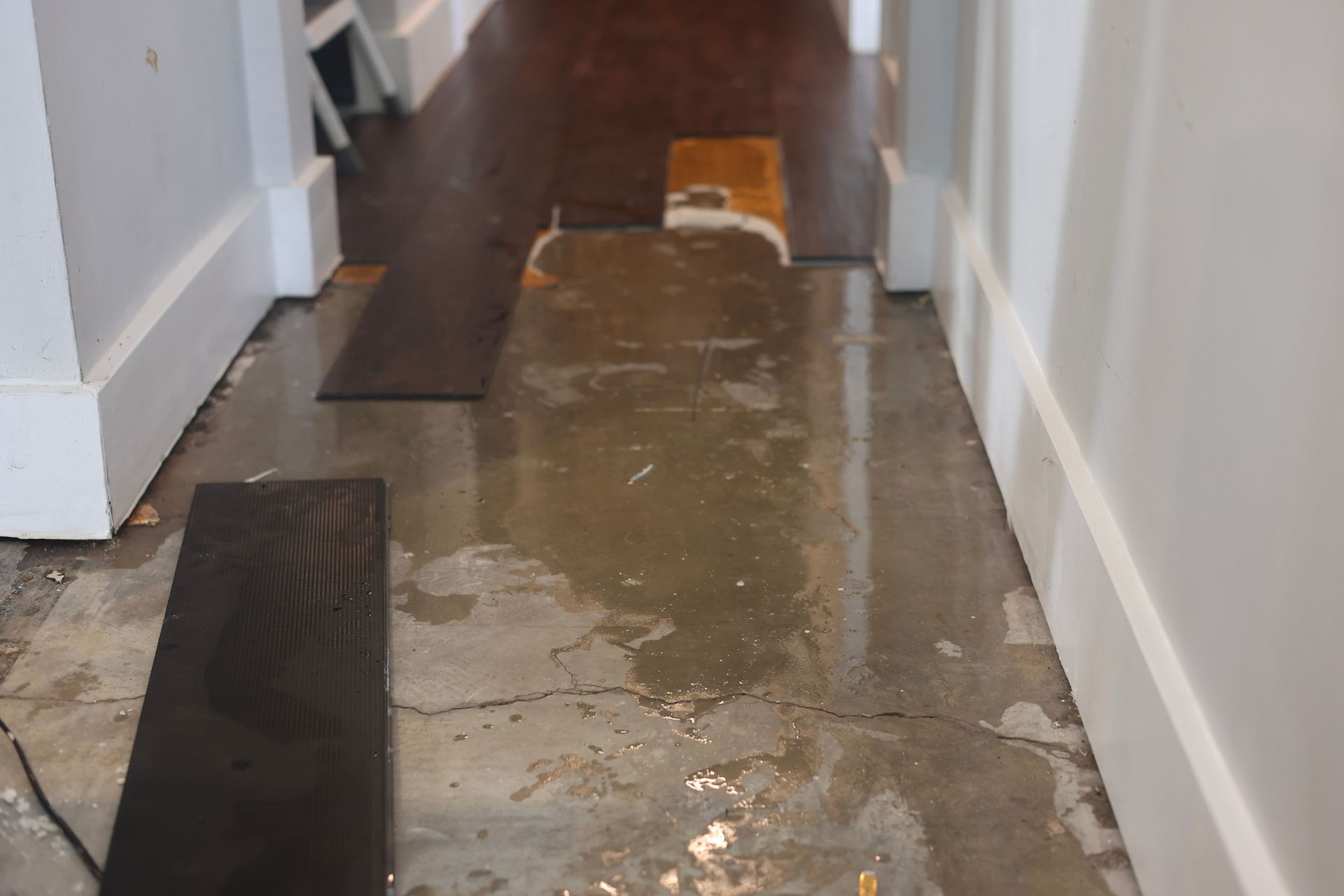
A commercial plumbing service plans both on a schedule, because a failure rarely stays inside your walls. A neglected trap can cause backups and fines. A failed backflow device can contaminate drinking water and put your water service at risk.
What a Grease Trap Does
A grease trap, also called a grease interceptor, catches fats, oils, and grease from kitchen drains before they reach the sewer. Nearly every commercial kitchen needs one. Many restaurants use an underground tank outside the building so a pump truck can reach it.
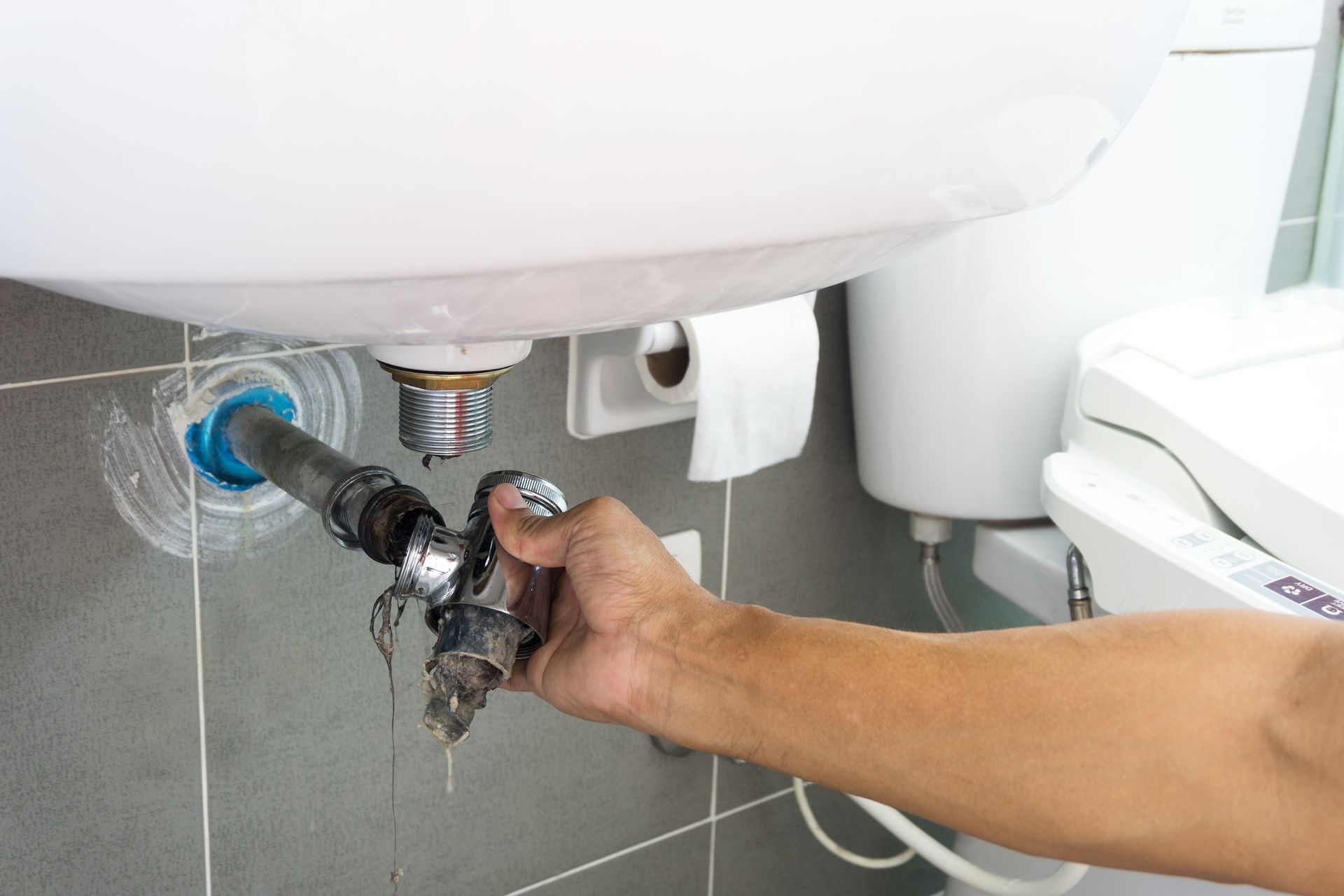
Grease builds up over time. Once a trap is too full, it stops doing its job, and grease passes into the sewer line.
How Often to Clean a Grease Trap
A common guideline is the 25 percent rule. Have the trap pumped and cleaned when fats, oils, grease, and solids fill about a quarter of its depth. For most kitchens, that means every one to three months. Busy kitchens that fry food every day may need service more often.
Some local rules set a fixed minimum, such as every 90 days, no matter how full the trap looks. Rules vary, so confirm your schedule with your water and sewer provider. Keep service records in case of an inspection.
Signs a Grease Trap Needs Attention
Do not wait for a backup. Watch for these warning signs:
- Slow drains in the kitchen or at floor drains.
- Bad smells near the trap or the prep sinks.
- Gurgling sounds from drains.
- Grease filling more than a quarter of the trap's depth.
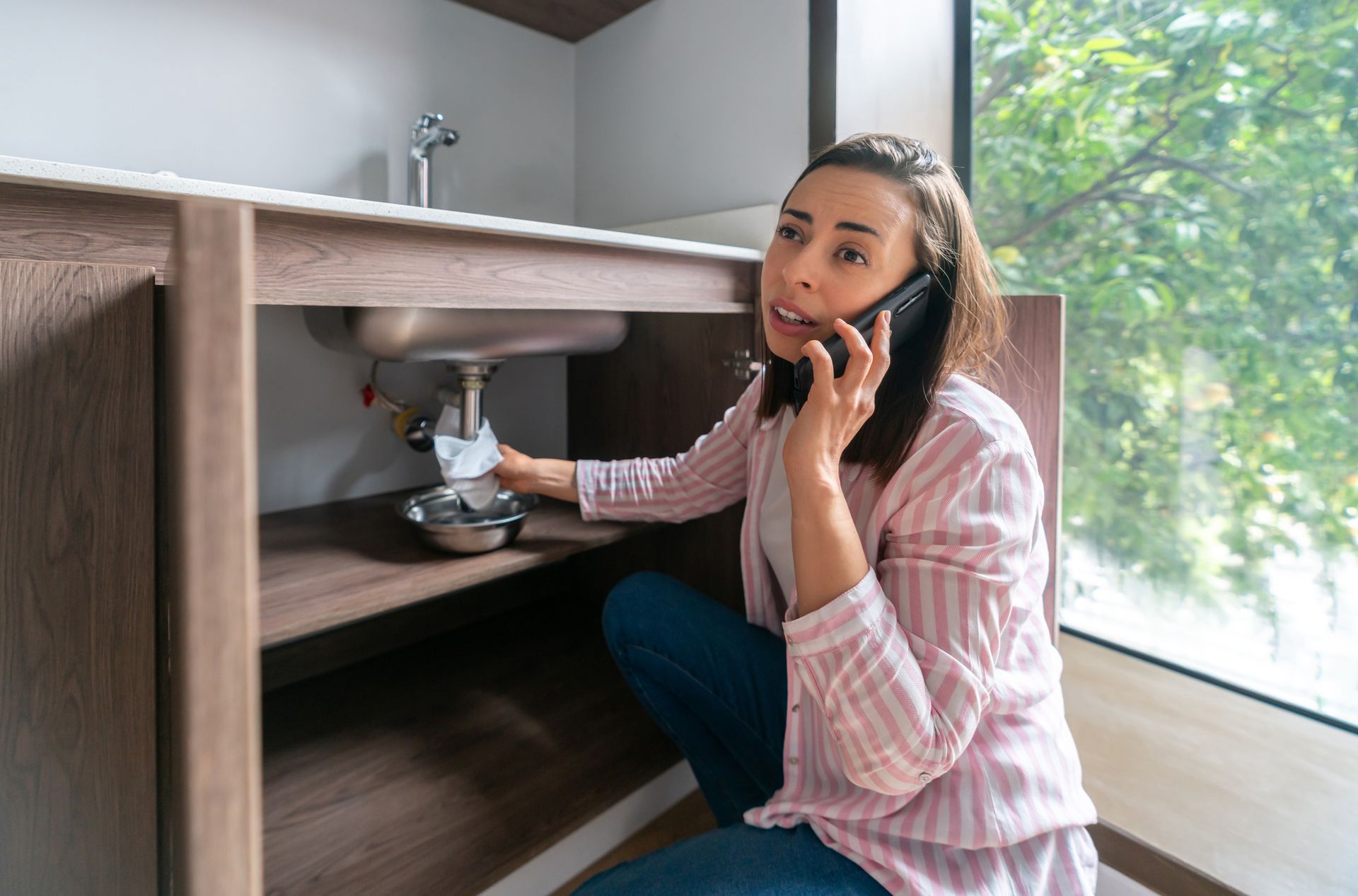
If you notice any of these, call a commercial plumbing service before the trap overflows.
What a Grease Trap Service Visit Includes
A proper service visit does more than pump the tank. A good crew will:
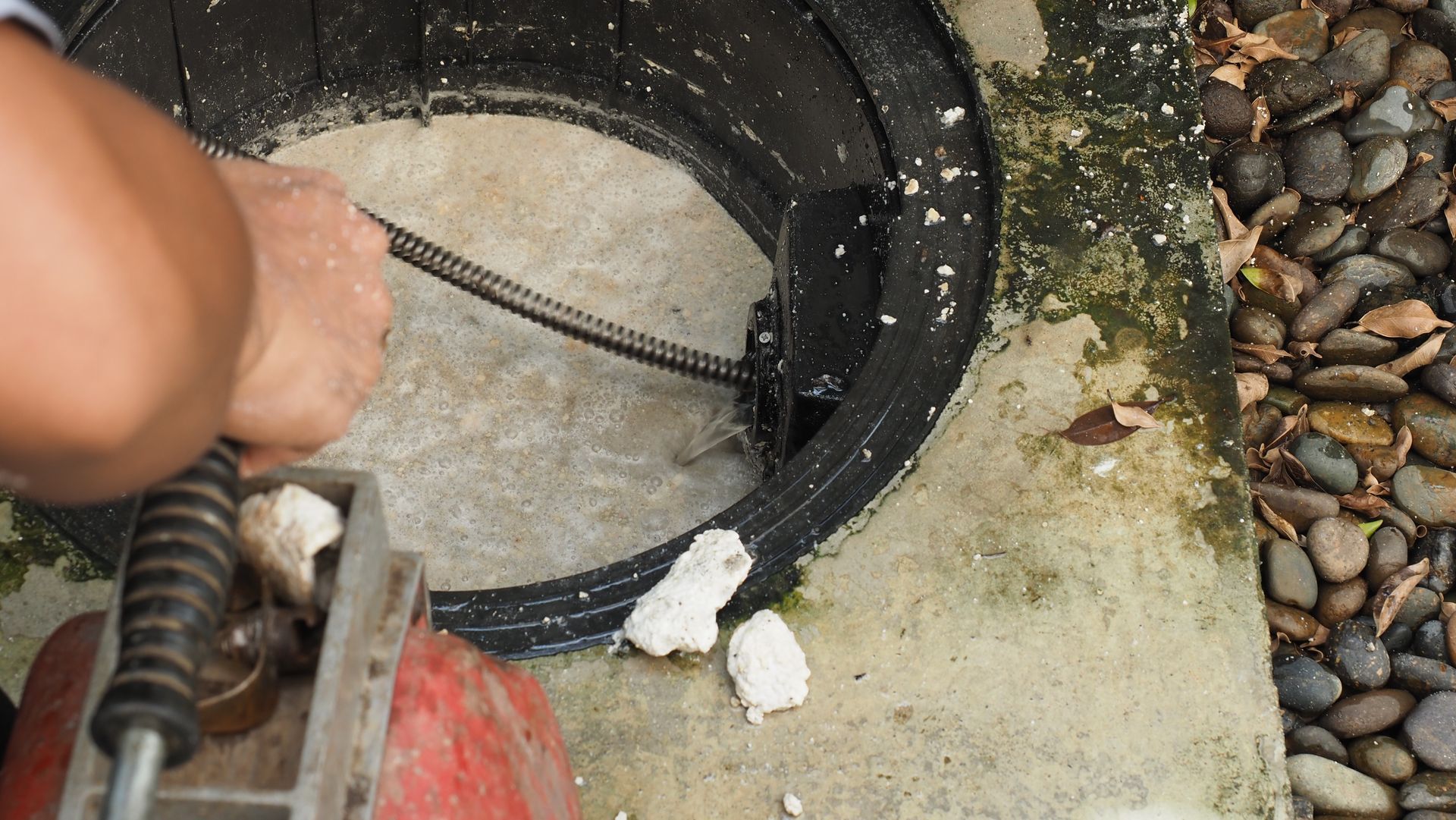
- Pump out the contents of the trap.
- Scrape the tank walls and the inner plates, called baffles.
- Check the inlet and outlet for damage or blockages.
- Refill the trap.
- Give you a manifest, which is a record of what was removed.
Ask the service to note anything unusual, such as a cracked baffle or a heavy load of solids. That helps you adjust your schedule or kitchen habits. Good records also help if an inspector asks.
What Backflow Means for a Business
Backflow happens when water flows the wrong way and pulls dirty water back into the public supply. Florida requires every public water system to run a program that prevents this. Commercial and industrial properties, irrigation lines, and fire lines generally need an approved backflow device.
Which Businesses Need Backflow Testing?
Common examples include:
- Restaurants.
- Medical offices.
- Salons.
- Auto shops.
- Buildings with irrigation or fire service.
A commercial plumbing service can confirm whether your building needs a backflow device and who is allowed to test it.
Annual Backflow Testing
Most backflow devices must be tested once a year by a certified backflow tester. The results go to your water provider. The tester attaches a gauge to the device and checks that the valves hold pressure.
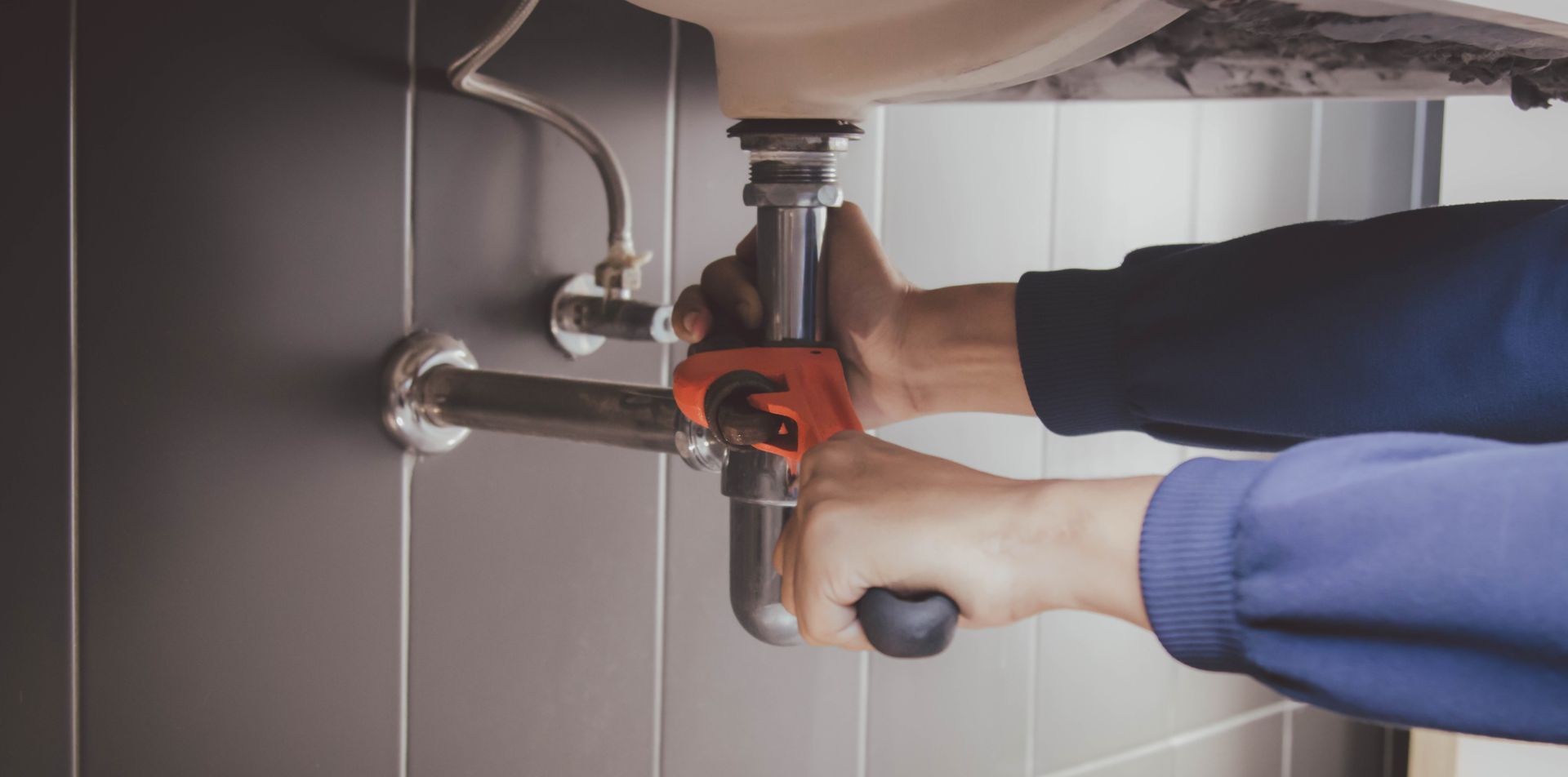
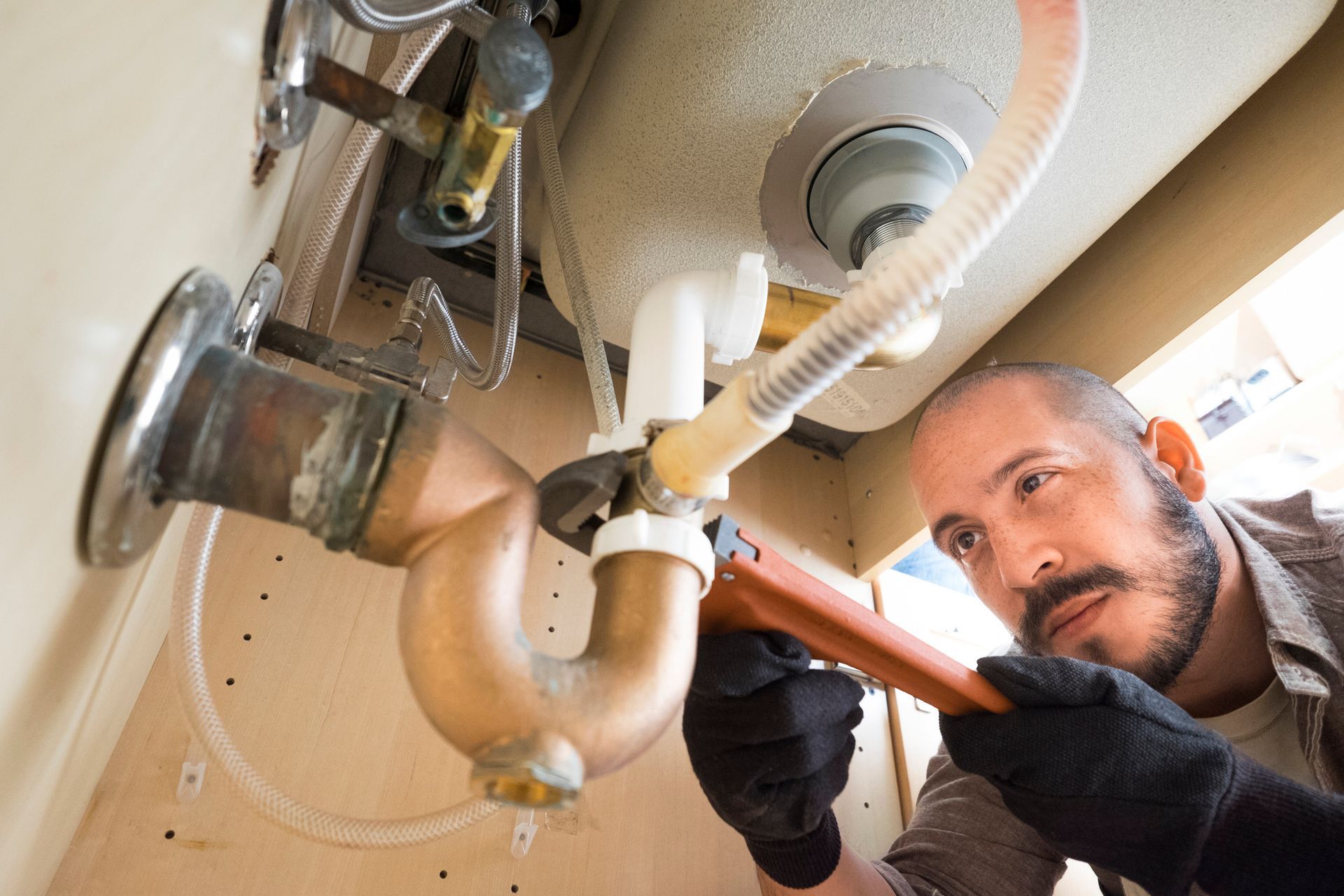
If a device fails, it must be repaired or replaced by the deadline your utility sets. A licensed plumbing contractor handles repairs and installations on a building's water system. A licensed fire sprinkler contractor handles fire-line devices.
Keeping Track of Dates and Records
Both services depend on paperwork. A simple schedule helps:
1. Note your grease trap service dates and keep the hauler's manifest.
2. Mark your backflow test due date from your utility's notice.
3. Keep copies of every test report and service record.
4. Call early if a trap fills faster than expected or a backflow device fails.
Businesses in Niceville, from waterfront restaurants to busy clinics and offices, benefit from putting these dates on the calendar early. Ask your commercial plumbing service to flag them for you.
Common Questions About Grease Traps and Backflow Testing
Who Can Test a Backflow Device?
A certified backflow tester must test the device, and the work is typically done by a licensed plumber with that certification. Your water provider keeps a list of accepted testers.
Is a Full Grease Trap Ever Okay to Leave?
No. Once a trap is past about a quarter full, it loses effectiveness and grease can reach the sewer. Schedule service before that point.
Get Both Services Handled Together
Willingham Plumbing, based in Valparaiso, FL, offers grease trap cleaning and maintenance, plus backflow testing and certification, as part of its commercial plumbing work. Look up Willingham Plumbing on Google to see what customers say. Call (850) 678-7804 or reach out online to schedule service. See the commercial plumbing page for Niceville for the full list.